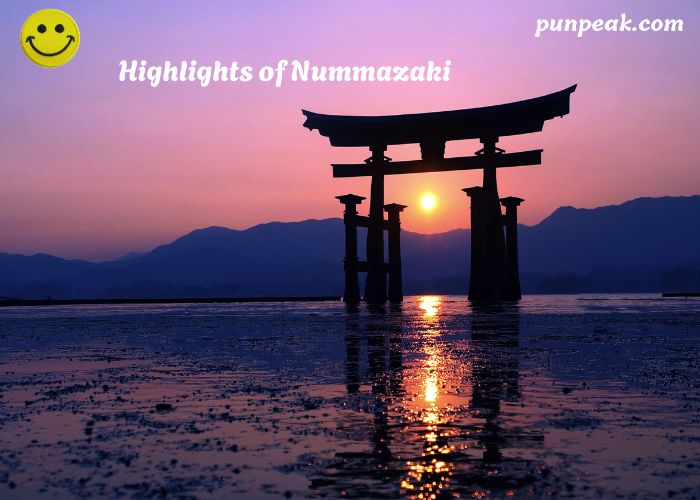
Tucked along a lesser-trodden coastline of Japan, Nummazaki feels like a place time decided to spare. This authentic Japanese coastal town doesn’t chase trends or crowds. Instead, it invites you to slow down, breathe in salt-heavy air, and notice details most destinations rush past.
What follows is not a brochure version of travel. It’s a deep, lived-in guide to the highlights of Nummazaki from jagged cliffs and glowing tide pools to ritual ceremonies that still pulse through daily life.
If you crave off-the-beaten-path travel, cultural immersion, and real moments of presence, Nummazaki delivers quietly and completely.
Why Nummazaki Still Feels Undiscovered
Nummazaki sits far from mainstream attractions, even by Japanese standards. No bullet trains slice through its hills. No neon signs compete with the stars. You reach it by local trains, a community bus, or sometimes a hired boat if tides align.
That isolation shapes everything.
This coastal town developed inward rather than outward. Fishing routes dictated neighborhoods. Seasonal air currents shaped architecture. Ritual calendars still influence workdays. Tourism exists, but locals treat it as an exchange, not an industry.
Why travelers miss it:
- No major resort chains
- Limited English signage
- Weather-driven access
- Preference for eco-lodges and ryokan inns over hotels
Why travelers remember it:
- Profound authenticity
- Strong cultural connection
- A sense of being welcomed, not marketed to
That contrast defines the soul of Nummazaki.
Nummazaki Coastal Town: Raw, Quiet, and Unfiltered
The Nummazaki coastal town hugs a rugged shoreline carved by centuries of natural erosion. Instead of beaches designed for lounging, you’ll find jagged cliffs, narrow coves, and sea-carved caves only accessible at low tide.
Key Coastal Features
| Feature | Description | Best Time to Visit |
|---|---|---|
| Volcanic rock formations | Dark, iron-rich stone shaped by waves | Early morning |
| Tide pools | Natural basins teeming with marine life | Low tide |
| Mossy walls | Sea-facing cliffs covered in emerald moss | Post-rain |
| Untouched shoreline | No boardwalks or barriers | Year-round |
Seasonal Hagane Winds roar through the inlet during winter, polishing rock faces and keeping air startlingly clean. In summer, gentler currents bring warm waters and long evenings.
This isn’t a place for hurried sightseeing. It’s built for wandering.
Veiled Lantern Cliff: Where Light and Legend Meet
Few highlights of Nummazaki feel as otherworldly as Veiled Lantern Cliff. This glowing outcrop rises above the sea like a watchful guardian. At dawn, mineral veins in the stone reflect sunlight, creating the illusion of lanterns burning beneath the surface.
Local legend claims spirit guardians embedded the light to guide lost fishermen home.
Why It Matters
- Geological rarity caused by mineral density
- Cultural symbol tied to local legend
- Natural lighthouse folklore without human construction
Photographers favor early morning when mist clings to the cliff face. Locals come during storms, believing the glow strengthens when the sea turns violent.
It’s beauty with weight. Not decorative. Purposeful.
Shinmei Inlet: The Quiet Heart of the Coast
Just south of the main harbor lies Shinmei Inlet, a narrow bay framed by towering rock walls thick with moss. During low tide, hidden paths reveal sea caves once used for meditation and flute practice.
Elders still speak of musicians playing shakuhachi flutes here, using the cave acoustics to communicate with the sea.
What Makes Shinmei Inlet Special
- Access shifts with tides
- Unique sound resonance
- Deep sense of stillness
Visitors often underestimate this spot. That’s its power. Stay long enough and you’ll hear wind moving through stone like breath.
Sacred Spaces and Living Traditions
Spiritual life in Nummazaki isn’t confined to buildings. It spills into forests, cliffs, and water.
Hoshigami Shrine
Hidden among coastal pines, Hoshigami Shrine anchors many time-honored rituals. Dedicated to celestial guardians, it aligns with lunar cycles rather than calendars.
Pilgrims come not to ask, but to listen.
Yurei-no-Kagura: Dance Between Worlds
Once each year, dancers perform Yurei-no-Kagura, a spirit-dance performance passed down through oral storytelling. Movements mimic wind shifts and tidal pull, blurring the boundary between living and ancestral realms.
Key elements include:
- Masked dancers
- Drum rhythms synced to breath
- Offerings placed toward the sea
This isn’t staged folklore. It’s indigenous spiritual heritage, alive and protected.
Midnight Lantern Release: A Ceremony of Memory
On new moon nights, residents gather for the Midnight Lantern Release. Handcrafted lantern boats made from rice paper drift across the water, honoring ancestors and unspoken grief.
No announcements. No tickets. You’re invited if you’re present.
Watching hundreds of lights float into darkness rewires your understanding of ritual. It’s quiet. Reflective. Deeply human.
Local Food Culture: What People Actually Eat
Forget curated tasting menus. Nummazaki culinary journeys revolve around preservation, restraint, and respect for ingredients.
Shinkai Uni Don
This sea urchin rice bowl defines coastal indulgence here. Uni undergoes bamboo salt aging, softening bitterness while amplifying sweetness. Served over warm rice with shiso leaves.
Why it stands out:
- Harvested within 24 hours
- No sauces masking flavor
- Textural contrast between cream and grain
Iwagaki Tempura
Wild rock oysters, collected via cliffside harvesting, get flash-fried in airy batter and finished with volcanic salt. Crisp outside. Ocean-soft inside.
Locals eat it standing, near the docks.
Fog Rolls
Seaweed wraps filled with fermented yuzu peel and pickled root vegetables. Designed for portability during long fishing shifts.
Simple food. Deep logic.
Artistic Soul of Nummazaki
Creativity here feels inseparable from landscape.
Nummazaki Stone Arts Collective
This cooperative of master craftsmen transforms driftwood, volcanic rock, and even whale bone into temporary sculptures displayed along the shore.
Highlights include:
- Open-air gallery spaces
- Seasonal exhibits shaped by erosion
- Ephemeral art meant to decay
Nothing is permanent. That’s the point.
Museum of Wind and Absence
Part science, part poetry, the Museum of Wind and Absence explores seasonal air currents through sound and motion.
Installations react to real-time wind data, producing whispers and tones. Visitors walk slowly. Talking feels intrusive.
It’s not about understanding. It’s about sensing.
Nature Beyond the Shoreline
Step inland and Nummazaki softens.
Forest of Listening Pines
Trees bend permanently toward prevailing winds. Locals claim the forest “listens.” Walk quietly and you’ll hear layered sound needles brushing, bark clicking, distant waves.
Mount Mirai
A modest climb offers panoramic views across Tsumura Isle and open sea. Many hikers pause at the summit to journal or meditate.
No benches. No signs. Just space.
Fushiki Pools: Bioluminescent Magic
During late spring, Fushiki Pools glow with bioluminescent algae. These warm-water tide pools shimmer electric blue when disturbed.
Scientific notes:
- Caused by dinoflagellates
- Triggered by movement
- Extremely sensitive ecosystem
Swimming is prohibited. Watching is enough.
Cape Tsukikage Night Sky
Thanks to low light pollution, Cape Tsukikage offers pristine views of the Milky Way. Locals practice personal astronomy, aligning observation with lunar cycles.
Some believe dreams here carry prophetic weight.
Whether you believe that or not, the sky feels closer.
Staying in Nummazaki
Accommodation favors simplicity.
Options Include
- Family-run ryokan inns
- Small eco-conscious accommodations
- Off-grid guesthouses
Expect tatami floors, shared baths, and meals tied to tide schedules.
Comfort comes from care, not luxury.
Getting There and Around
| Method | Details |
|---|---|
| Local trains | Connect from regional hubs |
| Community bus | Timed with school schedules |
| Hired boat | Weather-dependent |
| Walking | Best way to explore town |
Patience matters. Rushing breaks rhythm.
Best Time to Visit
- Spring: Bioluminescent pools, mild winds
- Summer: Festivals, calm seas
- Autumn: Clear skies, rich colors
- Winter: Dramatic waves, intense solitude
Each season reveals different coastal wonders.
Travel Tips That Matter
- Carry cash
- Learn basic greetings
- Follow ritual etiquette
- Ask before photographing people
Respect earns access.
Why Nummazaki Stays With You
People don’t leave Nummazaki bragging. They leave quieter. More attentive. Slightly rearranged.
It’s a hidden coastal sanctuary that teaches presence without preaching. A place where beauty doesn’t shout. It waits.
For travelers chasing highlights of Nummazaki that feel earned rather than advertised, this town offers something rare.
Stillness with substance.
Read more knowledgeable blogs on Pun Peak

Alex Simmonds is the wit behind the words at Alex Simmonds, where laughter takes center stage. With a sharp eye for puns and a playful sense of humor, Alex crafts clever jokes and chuckle-worthy content that tickles funny bones across the web. Whether it’s a quick one-liner or a perfectly timed pun, Alex knows how to turn everyday moments into punchlines. When not writing, you’ll find him chasing giggles, mastering dad jokes, or dreaming up the next viral laugh.