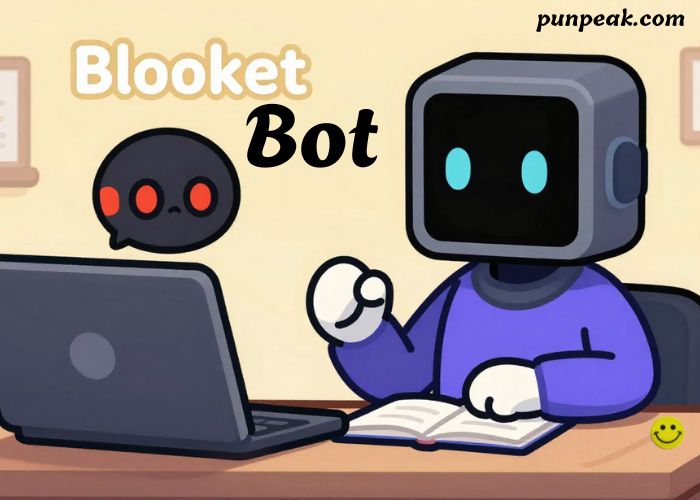
Blooket has become a popular game-based learning platform among students and educators alike. Its interactive lessons, quizzes, and competitive games make studying fun and engaging.
But alongside the rise of Blooket’s popularity, a new phenomenon has emerged: Blooket bots. These automated scripts promise convenience and higher scores, but they come with significant risks, ethical dilemmas, and technical challenges.
In this guide, we’ll dive deep into how Blooket bots work, their risks, and the best practices for safe use, along with alternatives that protect accounts, maintain fairness, and encourage responsible behavior in classrooms.
Understanding Blooket Bots
A Blooket bot is an automated tool designed to manipulate gameplay. These tools range from simple scripts that auto-answer questions to complex programs that flood live Blooket games with fake players.
People search for Blooket bots for multiple reasons:
- Unfair advantage: Students may want to score high without effort.
- Curiosity: Many users explore JavaScript scripting languages to understand how automation works.
- Competition: Some use Blooket bot spammer or Blooket bot flooder to dominate games.
Despite their allure, using Blooket bots violates Blooket’s Terms of Service and carries serious consequences, from account suspension to malware infection.
How Blooket Bots Work
Understanding how Blooket bots work requires a basic grasp of automation and scripting mechanics. At their core, bots interact with a live Blooket game using browser console scripts or external automated tools.
Mechanics of Blooket Bots
- Script Execution: Users run JavaScript bot scripts in the browser console or a local script environment.
- Server Requests: Bots send repeated game server requests to simulate legitimate gameplay.
- Pattern Automation: Scripts analyze answer timing, session duration, and interaction flow to mimic real players.
- Flooding: Advanced Blooket bot flooders can send multiple fake players, overwhelming game servers.
Example: A Blooket bot café script may auto-join a Gold Quest game and automatically select correct answers, inflating scores in minutes.
Diagram: Blooket Bot Automation Flow
flowchart LR
A[User Runs Script] --> B[Browser Console Execution]
B --> C[Automated Player Simulation]
C --> D[Game Server Requests]
D --> E[Score & Game State Updates]
E --> F[Bot Flags or Detection Checks]
Types of Blooket Bots
There are several common types of Blooket bots:
| Bot Type | Features | Detectability | Common Use Cases |
|---|---|---|---|
| Script-Based Bots | Auto-answer, score boosting | Medium | Individual competitive advantage |
| Browser Extension Bots | One-click automation | Low-Medium | Casual cheating in multiple games |
| Mobile/ App Bots | Limited automation on mobile | Medium | On-the-go gameplay |
| Cloud-Based Bots | Flood games with fake players | High | Disrupting classrooms, high-risk use |
These bots can be auto-answer bots, load-testing bots, or join spam bots, depending on the intended function.
Why Blooket Bots Are Popular Among Students
Students often turn to Blooket bots because:
- Quick wins: Achieve high scores without studying.
- Peer influence: Competitive students share scripts in groups or Discord servers.
- Technical curiosity: Some enjoy exploring automation scripts and coding challenges safely.
However, short-term gains come with long-term consequences, including account bans and security risks.
Risks of Using a Blooket Bot
Using Blooket bots exposes users to several risks:
Account & Platform Risks
- Account suspension or permanent ban for violating acceptable use policies.
- Account flags that can restrict progress, purchases, or access.
Security Risks
- Malware and Trojans hidden in downloaded bot scripts.
- Keyloggers or session hijackers that steal login credentials.
- Exposure of personal data via third-party servers.
- Risk of browser cookies and login tokens being compromised.
Educational Risks
- Undermines learning integrity and classroom trust.
- Creates unfair advantages for certain students, disrupting lesson flow and assessments.
Table: Risk Assessment for Blooket Bot Usage
| Risk Type | Likelihood | Severity | Mitigation |
|---|---|---|---|
| Account Ban | High | High | Avoid using scripts, follow platform rules |
| Malware Infection | Medium | Very High | Only use official tools, antivirus scans |
| Data Theft | Medium | High | Never enter credentials on unknown sites |
| Classroom Disruption | High | Medium | Teachers monitor games, enforce fair play |
How Blooket Detects Bots
Blooket uses sophisticated detection systems to protect live Blooket games:
- Server-Side Checks: Monitors unusual traffic patterns and join frequency.
- Behavioral Fingerprints: Detects identical answer delays, session duration, and interaction flow.
- Rate Limiting: Prevents excessive server requests from scripts or flood attacks.
- Real-Time Detection: Flags suspicious automation patterns during gameplay.
Despite myths about “undetectable bots,” Blooket’s monitoring systems constantly analyze historical data, browser signals, and IP behavior.
Legal and Ethical Considerations
Using a Blooket hack or cheating scripts is more than just a rule violation:
- Terms of Service Violations: Leads to account restriction or permanent bans.
- Academic Misconduct: Students risk failing assignments or disciplinary action.
- Ethical Issues: Exploiting game servers undermines digital citizenship and fair play.
Educators emphasize that responsible behavior and fair competition are crucial for learning outcomes and classroom trust.
Educational Impact of Blooket Bots in Classrooms
Classroom disruption is one of the most significant consequences of Blooket bots:
- Lesson Flow Interruption: Fake players or Blooket bot spam can freeze games or skew results.
- Unfair Assessments: Auto-answer bots affect grading and assessment value.
- Peer Pressure: Students may feel pressured to cheat to keep up.
Quote:
“Blooket bots undermine interactive learning tools, and they create an environment where effort is undervalued.” – Experienced Educator
Safer Alternatives to Blooket Bots
There are ethical ways to improve scores without risk:
- Use built-in practice sets and homework assignments.
- Simulate automated play using coding exercises or simulations offline.
- Encourage collaborative study sessions and fair competition.
Table: Safe Alternatives
| Alternative | Benefit | Notes |
|---|---|---|
| Practice Sets | Improves knowledge | Fully approved by Blooket |
| Simulations | Learn automation safely | No server interaction |
| Study Groups | Encourages peer learning | Strengthens classroom trust |
| Browser Console Learning | Technical curiosity | Only for coding practice, not cheating |
How Teachers Can Prevent Blooket Bot Abuse
Educators can proactively minimize bot abuse:
- Enable game monitoring and review join activity.
- Limit game code sharing outside class.
- Observe unusual join spikes or identical answer timing.
- Implement rate-limiting settings where possible.
Checklist for Educators
- Monitor session lifespan and traffic patterns
- Flag repeated IP behavior
- Warn students about ethical consequences
- Educate on digital citizenship
Common Myths About Blooket Bots
- Myth: “Undetectable bots are safe.”
Reality: All automated Blooket tools carry detection risk. - Myth: “Bots don’t affect learning.”
Reality: They disrupt interactive learning and classroom assessments.
Technical Curiosity Without Rule Breaking
Many students explore automation and scripting languages for learning. To stay ethical:
- Use open-source projects or simulations.
- Practice JavaScript scripts offline.
- Participate in coding challenges without targeting live games.
This approach builds programming fundamentals while avoiding policy violations or malware risks.
Long-Term Consequences of Repeated Bot Use
Repeated use of Blooket bots may lead to:
- Permanent account bans or session hijacking.
- Device malware infections, exposing login credentials.
- Digital reputation damage in school and online communities.
- Decreased learning retention and academic performance.
Best Practices for Responsible Blooket Use
- Follow platform rules to avoid account flags.
- Use built-in tools for practice, not shortcuts.
- Regularly update passwords and avoid third-party scripts.
- Encourage collaboration and fair play in classrooms.
Remember: Responsible use ensures learning integrity and classroom trust.
The Hidden Threat of Malware and Phishing
Many Blooket bot scripts hide malicious software:
- Trojan horse scripts that steal personal data.
- Fake login pages designed to capture login credentials.
- Keyloggers that monitor typing in real time.
- Third-party server access exposing sensitive data.
Tip: Always verify downloads and never run untrusted automation scripts.
Blooket’s Anti-Cheat Systems
Blooket protects its platform using:
- Flood detection to prevent bot flooders.
- Server monitoring for unusual request rates.
- Policy enforcement and account restrictions for violators.
Flow of Detection:
- Session Monitoring: Checks IP behavior and join frequency.
- Behavioral Analysis: Looks for identical answer delays.
- Rate Limiting: Stops excessive scripted requests.
- Account Flagging: Warns, suspends, or bans violators.
Conclusion
While Blooket bots might offer short-term rewards, the risks outweigh the benefits. From account bans and malware to classroom disruption, these automated tools compromise learning and trust.
The best strategy? Focus on ethical gameplay, practice sets, and safe simulations. By doing so, students learn effectively while respecting platform rules and fair play.
Frequently Asked Questions (FAQs)
Q: Are Blooket bots illegal?
A: Using a Blooket hack or cheating scripts violates Terms of Service, and repeated violations can result in account bans.
Q: Can teachers always detect bots?
A: Most auto-answer bots and flood scripts can be detected through rate-limiting, behavioral fingerprints, and join analysis.
Q: Are there safe alternatives to Blooket bots?
A: Yes. Use practice sets, simulations, and coding challenges to improve without violating rules.
Q: Can bots carry malware?
A: Absolutely. Many Blooket bot scripts contain Trojan horse scripts, keyloggers, and phishing tools.
Q: What happens if my account is banned?
A: Blooket may enforce permanent bans, account flags, or temporary suspensions, and any purchased content could be lost.
Read more knowledgeable blogs on Pun Peak

Alex Simmonds is the wit behind the words at Alex Simmonds, where laughter takes center stage. With a sharp eye for puns and a playful sense of humor, Alex crafts clever jokes and chuckle-worthy content that tickles funny bones across the web. Whether it’s a quick one-liner or a perfectly timed pun, Alex knows how to turn everyday moments into punchlines. When not writing, you’ll find him chasing giggles, mastering dad jokes, or dreaming up the next viral laugh.