
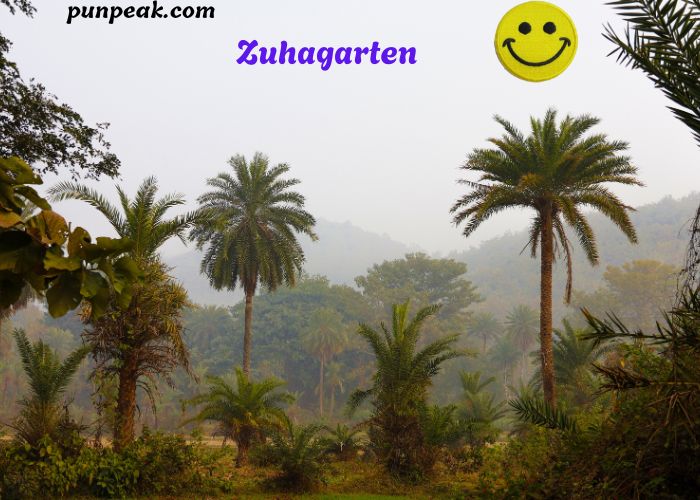
Modern life often leaves us disconnected stuck indoors, staring at screens, and feeling stressed. Many of us crave a deeper connection with nature, a personal sanctuary where we can relax, recharge, and express ourselves.
Enter Zuhagarten, a transformative approach to garden design that combines personalized garden design, sustainability, and emotional well-being.
Derived from the German words “zu Hause” (at home) and “Garten” (garden), Zuhagarten literally means “home garden.” But it’s more than a literal backyard. It’s a philosophy: a holistic approach to creating outdoor spaces that nurture both the environment and the human spirit.
In this article, we’ll explore the Zuhagarten concept, its benefits, practical applications, and how to craft your own outdoor sanctuary that aligns with your lifestyle, values, and emotional needs.
What is Zuhagarten?
At its core, Zuhagarten is about personalized garden design. Unlike standard landscaping, which often prioritizes uniform aesthetics or resale value, Zuhagarten focuses on crafting a garden that reflects your personality, lifestyle, and emotional connection to nature.
Key Principles of Zuhagarten
- Personalization: Tailoring plant choices, layouts, and features to your preferences and lifestyle.
- Sustainability: Using eco-friendly practices like organic gardening, rainwater harvesting, and native plants to promote environmental harmony.
- Creativity: Gardens act as a canvas for creative expression, blending colors, textures, and themes.
- Functionality: Spaces are practical, often including vegetable beds, herbs, and areas for daily use.
- Emotional Engagement: Every corner of the garden is designed to enhance stress reduction, mindfulness, and emotional well-being.
Unlike conventional gardens that prioritize appearance, Zuhagarten integrates mind, body, and nature, creating an immersive experience. It’s both a functional garden and an emotional retreat, combining the practical with the poetic.
The Science of Personalized Natural Design
Research increasingly shows that personalized garden spaces have measurable benefits for mental and emotional health.
A garden tailored to your preferences colors you love, plants that appeal to your senses, spaces that fit your daily routine can reduce stress, improve mood, and even boost cognitive function.
Emotional and Psychological Benefits
- Stress Reduction: Interaction with natural spaces lowers cortisol levels. Gardens with a mix of greenery, flowers, and flowing water have proven calming effects.
- Mindfulness: Personalized layouts encourage intentional, meditative movement through the garden. Zen paths, quiet nooks, and tactile experiences engage the senses.
- Cognitive Function: Studies show that spending time in thoughtfully designed gardens enhances memory, focus, and creativity.
- Emotional Attachment: Customizing your garden fosters a sense of ownership and deep personal connection.
Example: Personalized Plant Selection
| Garden Feature | Purpose | Example |
|---|---|---|
| Aromatic herbs | Sensory stimulation, relaxation | Lavender, rosemary, mint |
| Native flowers | Environmental harmony, pollinator support | Black-eyed Susan, Coneflower |
| Water features | Stress reduction, mindfulness | Small fountains, birdbaths |
| Seating nooks | Reflection and meditation | Hammocks, benches, zen corners |
Each choice in a Zuhagarten isn’t arbitrary it’s designed to engage your senses, reinforce mindful living, and create an immersive sensory experience.
Functional and Emotional Integration in Daily Life
One hallmark of Zuhagarten is its seamless integration into daily living. These gardens are not static landscapes they’re living spaces, designed to support routine and emotional needs simultaneously.
Functional Aspects
- Kitchen gardens: Raised beds and herbs for daily cooking.
- Outdoor workspaces: Tables or benches for reading, writing, or remote work.
- Exercise spaces: Small lawns for yoga, tai chi, or stretching.
Emotional Connection
- Meditative paths: Curved or labyrinth-style paths promote calm and reflection.
- Seasonal rotations: Plants that bloom in succession create dynamic sensory experiences.
- Personal rituals: Gardening itself becomes a mindfulness practice, improving emotional well-being.
“A garden isn’t just a place to grow plants it’s where the mind grows too,” says Dr. Julia West, a landscape psychologist.
Lifestyle integration ensures your garden isn’t just decorative; it’s an extension of your home and personality.
Sustainability and Environmental Harmony
Sustainability is not optional in Zuhagarten it’s central. Every design choice considers environmental harmony, biodiversity, and minimal ecological impact.
Core Sustainable Practices
- Native Plants: Thrive with minimal water, support local wildlife.
- Organic Gardening: Avoid chemical fertilizers and pesticides.
- Rainwater Harvesting: Reduce water consumption.
- Composting: Turn organic waste into nutrient-rich soil.
- Wildlife-Friendly Features: Birdhouses, pollinator gardens, and insect hotels.
Example Table: Sustainability Practices
| Practice | Benefit | Implementation Tips |
|---|---|---|
| Native plants | Lower maintenance, pollinator support | Choose species native to your region |
| Rainwater harvesting | Water conservation | Install barrels or underground tanks |
| Organic gardening | Healthier soil, eco-friendly | Use compost, natural fertilizers |
| Wildlife-friendly spaces | Biodiversity | Include birdbaths, bee hotels |
These practices not only benefit the environment but enhance your garden’s appeal and emotional impact. Knowing your garden supports biodiversity and the local ecosystem adds a layer of satisfaction and purpose.
Creativity and Self-Expression Through Gardening
Zuhagarten encourages each gardener to become a creator, blending functionality with artistry. A garden becomes a canvas for personal expression.
Ways to Express Creativity
- Themed Gardens:
- Zen Garden: Minimalist design emphasizing mindfulness and calm.
- Cottage Garden: Whimsical, colorful layouts with flowers, herbs, and rustic charm.
- Seasonal Color Schemes: Align plantings with favorite colors or seasonal moods.
- Unique Decorations: Personalized signage, sculptures, or DIY garden features.
- Interactive Spaces: Paths, stepping stones, and water features that engage visitors.
Think of your Zuhagarten as a living art gallery. Every plant, stone, and structure reflects your personality.
Sensory Experience
- Visual: Contrasting plant textures, flowers, and focal points.
- Auditory: Water features, rustling leaves, wind chimes.
- Olfactory: Fragrant herbs, flowers, and natural scents.
- Tactile: Soft moss, textured bark, smooth stones.
This multi-sensory approach enhances emotional engagement and stress reduction, turning your garden into an outdoor sanctuary.
Does Zuhagarten Really Work? Evidence and Benefits
People often ask: “Does Zuhagarten really work?” The answer is yes both in practical and psychological terms.
Mental and Emotional Benefits
- Stress Reduction: Daily exposure to natural spaces lowers anxiety.
- Mindfulness and Relaxation: Tending to a personalized garden improves mood and focus.
- Cognitive Function: Engaging with plants and garden planning boosts memory and problem-solving.
Practical Benefits
- Functional Gardening: Grow food, herbs, and edible plants.
- Outdoor Living Space: Increase usable home space with patios, seating, and meditation areas.
- Sustainable Lifestyle: Reduce environmental footprint with composting, rainwater harvesting, and native plant use.
Supporting Evidence
| Benefit | Research / Source |
|---|---|
| Stress Reduction | Kaplan & Kaplan, 1989; Nature and Health Review |
| Cognitive Function | Berman et al., 2008; Mind and Nature Study |
| Mindfulness | Clatworthy et al., 2013; Horticulture Therapy Research |
| Environmental Satisfaction | University of Copenhagen, 2020; Sustainable Garden Study |
Zuhagarten is more than a trend it’s a research-backed approach to personal and environmental well-being.
Legitimacy, Reviews, and Common Concerns
Given its rising popularity, Zuhagarten reviews often ask whether it’s a “real concept” or just another gardening trend.
Addressing Skepticism
- Legitimacy: Derived from German language roots (zu Hause + Garten), it represents a genuine philosophy of personalized outdoor living.
- Critiques: Some reviews point out the initial investment or planning effort.
- Positive Testimonials: Gardeners consistently report increased satisfaction, reduced stress, and deeper connection with nature.
Common Complaints and Solutions
| Concern | Solution |
|---|---|
| Cost of customization | Start small: raised beds, container gardens |
| Maintenance time | Choose low-maintenance native plants |
| Lack of design skills | Use templates, online communities, or garden designers |
Real Zuhagarten reviews emphasize that the rewards emotional, functional, and environmental far outweigh initial hurdles.
How to Start Your Own Zuhagarten
Creating a Zuhagarten doesn’t require a sprawling estate. Even small patios or terraces can become personalized outdoor spaces.
Step-by-Step Guide
- Assess Your Space: Measure and note sunlight, soil type, and existing vegetation.
- Define Your Goals: Decide if your focus is stress reduction, food production, creative expression, or all three.
- Choose Plants: Mix native plants, edible herbs, and seasonal flowers.
- Design Layout: Create zones for relaxation, creativity, and functionality.
- Incorporate Sustainability: Rainwater harvesting, composting, and eco-friendly materials.
- Add Personal Touches: Art, seating, pathways, water features.
- Maintain Mindfully: Regular tending promotes emotional well-being and keeps your garden thriving.
Small Space Ideas
| Space Type | Zuhagarten Solution |
|---|---|
| Balcony | Container plants, small herbs, vertical gardens |
| Patio | Raised vegetable beds, potted flowers, mini water fountain |
| Backyard | Zen garden section, cottage-style flower beds, meditation corner |
Even with limited space, a Zuhagarten can provide an immersive, stress-reducing outdoor sanctuary.
Conclusion
Zuhagarten transforms ordinary outdoor spaces into personalized sanctuaries that nourish both the environment and the human spirit.
By combining personalized garden design, sustainability, and creative expression, it promotes emotional well-being, strengthens your connection with nature, and supports practical lifestyle integration.
Whether you want a Zen-inspired retreat, a productive edible garden, or a vibrant cottage-style space, Zuhagarten offers the tools, philosophy, and inspiration to create an outdoor sanctuary tailored just for you.
Start small, think sustainably, and embrace creativity. Your garden isn’t just a space it’s where your mind, body, and soul thrive.
FAQs
What is Zuhagarten, and how is it different from normal gardening?
Zuhagarten focuses on personalized outdoor spaces designed for emotional well-being, sustainability, and creativity not just aesthetics.
Do I need a big garden to practice Zuhagarten?
No. Even small patios, balconies, or terraces can be transformed using container gardens, vertical planting, and thematic zones.
Can Zuhagarten really improve mental health?
Yes. Studies link exposure to nature and mindful gardening to reduced stress, improved cognitive function, and enhanced emotional well-being.
How much does it cost to implement a Zuhagarten?
Costs vary by scale and design. Small container or herb gardens can start under $100, while full backyard transformations may require a larger budget. Start small and scale over time.
Are there online resources or communities to learn more?
Yes. Several gardening communities, DIY sustainable gardening sites, and eco-conscious forums provide guidance, templates, and inspiration for Zuhagarten-style gardens.
Read more knowledgeable blogs on Pun Peak

Alex Simmonds is the wit behind the words at Alex Simmonds, where laughter takes center stage. With a sharp eye for puns and a playful sense of humor, Alex crafts clever jokes and chuckle-worthy content that tickles funny bones across the web. Whether it’s a quick one-liner or a perfectly timed pun, Alex knows how to turn everyday moments into punchlines. When not writing, you’ll find him chasing giggles, mastering dad jokes, or dreaming up the next viral laugh.