In the evolving world of education, the way we design learning spaces has a direct impact on student engagement, teacher efficiency, and overall learning outcomes.
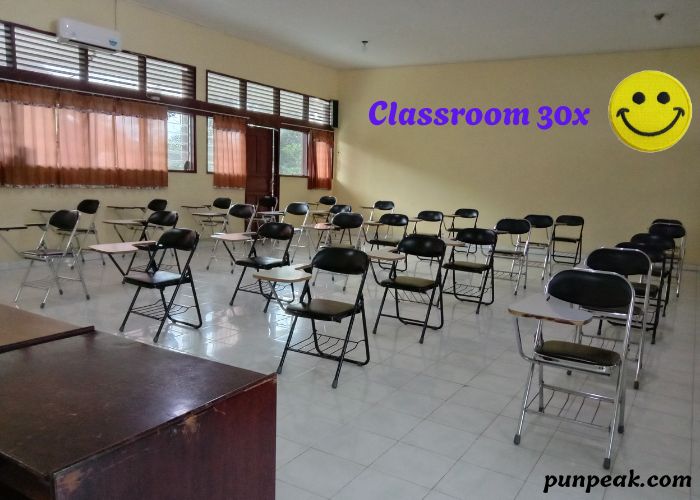
One concept gaining traction among educators and school planners is Classroom 30x a thoughtfully structured learning environment optimized for 30 students.
Far beyond a simple headcount, classroom30x merges physical layout, technology integration, and student-centered design to create a modern learning environment where every student thrives.
This article dives deep into Classroom 30x, exploring its benefits, design principles, teaching strategies, and future trends, offering actionable insights for educators, administrators, and school designers.
Understanding Classroom 30x
At its core, Classroom 30x refers to a classroom setup designed for approximately 30 students. This number isn’t arbitrary. Research shows that 30 students often strike a balance between peer interaction and teacher attention, maximizing learning efficiency without overcrowding the space.
Historically, classroom sizes have fluctuated. Early 20th-century classrooms sometimes accommodated 50–60 students, relying on rote learning and passive instruction.
Modern pedagogy, however, emphasizes student-centered models, where interaction, collaboration, and personalized support take priority.
The Classroom 30x model integrates these modern principles, ensuring teachers can engage students effectively, while learners benefit from collaborative and differentiated instruction.
Why Classroom Size Matters
Classroom size isn’t just about physical space; it affects cognition, behavior, and social learning. Here’s why Classroom 30x is considered optimal:
- Improved Student-to-Teacher Interaction: Smaller classes allow teachers to provide personalized support, track progress, and respond quickly to questions.
- Enhanced Engagement: Research indicates students in medium-sized classes are more likely to participate in discussions and activities.
- Balanced Workload for Teachers: Handling 30 students is manageable, reducing burnout compared to classes of 40+ students.
- Community Building: Students form meaningful peer connections, promoting social-emotional development.
Table: Class Size Impact on Learning Outcomes
| Class Size | Average Student Engagement | Teacher Interaction | Academic Performance |
|---|---|---|---|
| <20 | High | Very High | Excellent |
| 20–30 | Very High | High | Very Good |
| 31–40 | Moderate | Moderate | Good |
| 40+ | Low | Low | Below Average |
As the table shows, a 30-student classroom hits the sweet spot between engagement, supervision, and scalability.
Benefits of a 30-Student Classroom
Adopting Classroom 30x provides multiple advantages:
- Enhanced Engagement: Teachers can use interactive strategies like project-based learning and peer-to-peer problem solving.
- Optimized Teacher Efficiency: Managing 30 students is less stressful, reducing burnout while maintaining high teaching quality.
- Better Collaboration: Students participate in group activities and flexible seating arrangements, improving communication and teamwork skills.
- Student Well-Being: A balanced class size supports mental health, reduces anxiety, and promotes a positive learning environment.
Layout and Design Principles for Classroom 30x
Designing a Classroom 30x requires more than desks and chairs. It’s about creating learning spaces that encourage movement, collaboration, and focus.
Flexible Seating Arrangements
Traditional rows are passé. Classroom30x embraces dynamic seating:
- Group Tables: Encourage project-based learning and discussion.
- Semi-circle Arrangements: Perfect for presentations and teacher-student interaction.
- Individual Desks: Ideal for tests or focused work.
Clear Movement Paths
Clear pathways reduce congestion, increase safety, and allow teachers to monitor student behavior effectively.
- Minimum 3–4 feet between desks is recommended.
- Use defined zones for different activities (discussion, tech use, quiet work).
Modular Furniture and Vertical Storage
- Modular furniture allows easy reconfiguration for group activities or individual work.
- Vertical storage maximizes space for supplies and digital devices.
Table: Classroom 30x Spatial Guidelines
| Element | Recommended Metric |
|---|---|
| Desk spacing | 3–4 feet apart |
| Walking aisles | 3 feet minimum |
| Tech zone | One dedicated corner per 15 students |
| Storage space | 1 sq ft per student |
Integrating Technology in Classroom 30x
Technology integration is a hallmark of modern learning environments. When done right, it enhances learning without causing distractions.
Smart Technology Use
- Interactive Whiteboards / Smart Displays: Facilitate multimedia lessons.
- Projectors & Shared Digital Resources: Allow collaborative assignments and real-time feedback.
- AI-Assisted Teaching Tools: Track student progress, identify learning gaps, and support personalized instruction.
Purpose-Driven Digital Tools
Avoid technology overuse by focusing on tools that:
- Support collaboration and engagement
- Enhance visual, auditory, and kinesthetic learning
- Provide real-time analytics for teachers
Supporting Diverse Learning Styles
Every student learns differently. Classroom30x ensures differentiated instruction is practical and effective.
- Visual Learners: Benefit from charts, diagrams, infographics, and interactive whiteboards.
- Auditory Learners: Engage through discussions, storytelling, and audio tools.
- Kinesthetic Learners: Learn best with hands-on projects, lab experiments, and movement-based tasks.
Flexible Grouping Strategies
Teachers can rotate students in group tables, semi-circle setups, or individual desks depending on the activity, fostering peer-to-peer problem solving and collaboration.
Boosting Teacher Efficiency in Classroom 30x
Handling 30 students efficiently requires intentional design and workflow.
- Streamlined Classroom Management: Clear defined zones reduce the need for constant intervention.
- Reduced Burnout: Balanced class size allows teachers to focus on instruction rather than discipline.
- Time-Saving Tools: Digital learning platforms and smart technology automate grading and feedback.
Tips for Educators
- Rotate seating to maintain engagement.
- Use modular furniture to adapt lessons dynamically.
- Implement group activities to foster independent learning among students.
Fostering Collaboration and Peer Learning
Student collaboration is a central benefit of Classroom 30x.
- Group Activities: Structured projects encourage teamwork and communication skills.
- Project-Based Learning: Students apply knowledge to real-world challenges.
- Peer-to-Peer Problem Solving: Builds accountability and confidence.
Example: A 30-student classroom can divide into 6 groups of 5 for STEM experiments, allowing hands-on learning while maintaining teacher oversight.
Maintaining Discipline and Focus
Even in an optimal 30x setup, discipline matters. Thoughtful physical layout can reduce behavioral issues.
- Clear Visibility: Teacher can monitor all students easily.
- Defined Zones: Quiet areas, tech zones, and group work spaces prevent distractions.
- Structured Classroom Rules: Reinforced through spatial cues and consistent routines.
Adapting Classroom 30x Across Education Levels
Classroom30x isn’t limited to a single grade. Design and strategies vary across:
- Primary Education: Emphasize safety, play-based learning, and bright, flexible spaces.
- Secondary Education: Focus on collaborative learning, digital resources, and semi-circle seating for discussion.
- Higher Education: Adapt 30x layouts to lecture-style seating with technology hubs for group projects.
Table: Adaptation Strategies Across Levels
| Education Level | Key Adaptations |
|---|---|
| Primary | Playful furniture, interactive zones, safe spacing |
| Secondary | Group tables, semi-circle seating, tech integration |
| Higher Ed | Lecture-style, project labs, AI-assisted tools |
Addressing Challenges in Classroom 30x
No model is perfect. Classroom 30x presents challenges, but solutions exist:
- Space Limitations: Use modular furniture, vertical storage, and clear movement paths.
- Diverse Learning Needs: Implement differentiated instruction and flexible grouping.
- Technology Overuse: Limit devices to purpose-driven digital tools only.
Pro Tip: Schools adopting classroom30x should plan layouts that are scalable for different cohorts without compromising engagement.
The Future of Classroom 30x
Future trends in education will further redefine Classroom 30x:
- Hybrid Learning Models: Combining online and offline education to expand learning opportunities.
- AI-Assisted Teaching Tools: Personalized lesson plans, real-time assessment, and automated feedback.
- Focus on Student Well-Being: Classroom design promoting mental health, comfort, and learning motivation.
- Flexible, Adaptive Spaces: Furniture and technology that evolve with pedagogical trends.
Emerging Concepts
- Classrooms that shift dynamically between lecture, collaborative, and project-based learning modes.
- Use of digital learning resources to supplement traditional teaching.
- Schools increasingly adopting student-centered models that balance efficiency, engagement, and well-being.
FAQs
What is Classroom 30x and why is it important?
Classroom 30x is a modern classroom setup designed for around 30 students, optimizing student-to-teacher interaction, collaboration, and engagement. It balances class size with learning efficiency, making it ideal for a student-centered model.
How does flexible seating improve learning in Classroom 30x?
Flexible seating, including group tables, semi-circle arrangements, and individual desks, encourages collaboration, supports different learning styles, and allows teachers to adapt the classroom layout for various activities.
How can technology be integrated effectively in a 30x classroom?
Effective technology integration involves using smart technology, interactive whiteboards, and shared digital resources purposefully. Tools should enhance visual, auditory, and kinesthetic learning without causing technology overuse.
Can Classroom 30x be adapted for different education levels?
Yes. Classroom30x can be tailored for primary, secondary, and higher education by adjusting furniture, seating arrangements, and tech use, ensuring that each age group receives personalized support and engaging learning experiences.
What are the main challenges of implementing Classroom 30x?
Common challenges include space limitations, diverse learning needs, and technology overuse. Solutions involve modular furniture, vertical storage, differentiated instruction, and purpose-driven digital tools to maintain efficiency and focus.
Conclusion
Classroom 30x represents more than a simple 30-student setup. It embodies a modern learning environment, where flexible seating arrangements, smart technology, and student-centered design converge to maximize teacher efficiency, student collaboration, and academic outcomes.
By integrating defined zones, supporting diverse learning styles, and planning for future trends like AI-assisted tools and hybrid learning, educators can ensure their classrooms aren’t just spaces to learn they’re environments where students thrive, grow, and collaborate.
Whether you’re designing a new classroom or adapting an existing one, embracing the Classroom30x philosophy ensures that both teachers and students experience a productive, engaging, and sustainable learning environment.
Read more knowledgeable blogs on Pun Peak

Alex Simmonds is the wit behind the words at Alex Simmonds, where laughter takes center stage. With a sharp eye for puns and a playful sense of humor, Alex crafts clever jokes and chuckle-worthy content that tickles funny bones across the web. Whether it’s a quick one-liner or a perfectly timed pun, Alex knows how to turn everyday moments into punchlines. When not writing, you’ll find him chasing giggles, mastering dad jokes, or dreaming up the next viral laugh.